

When Hail-Damaged Siding Should Be Repaired or Replaced
A few cracked boards and a battered wall call for different fixes, and the type of siding you have changes the answer.
Request a free consultation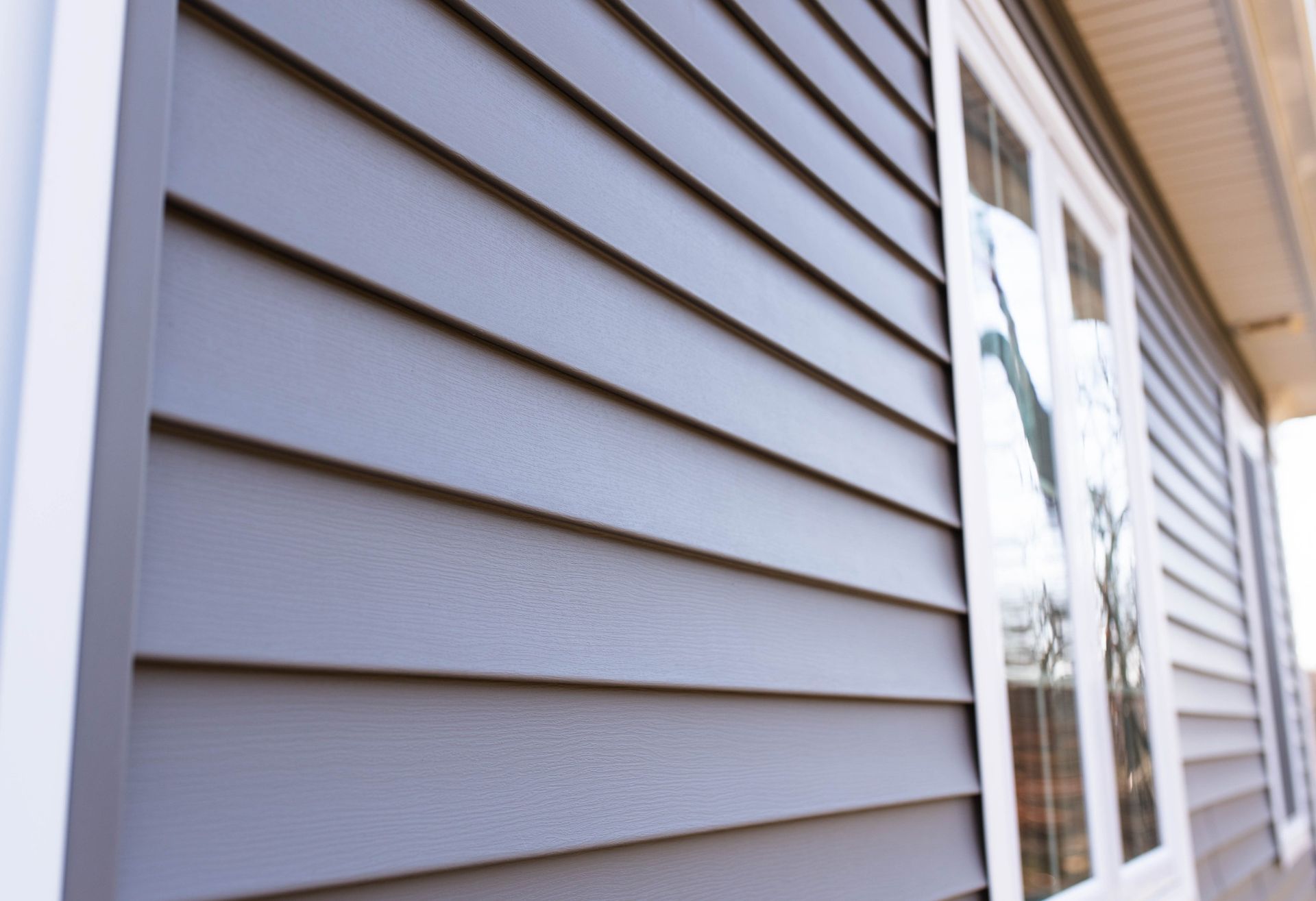
Hail-damaged siding can usually be repaired when the damage is limited to a few boards or panels on one or two sides of the house and matching material is still available. It should be replaced when cracks, holes, or broken paint cover most of a wall, when water is getting behind it, or when new pieces won't match what's left.
Hail damage on siding is easy to underrate. A dent in vinyl or a chip in fiber cement paint can look cosmetic from the driveway, then let water work in behind it over a couple of winters.
The kind of siding on your house changes the answer more than anything else. Vinyl, fiber cement, wood, and metal each break in their own way, and each one takes a patch differently.
In this guide
When a siding repair makes sense
A repair is the right move when the damage is small, contained, and fixable with material that blends in. Picture a storm that came in from the west and hit only that wall, leaving a handful of cracked pieces while the rest of the house looks fine.
Signs a repair will hold
- Cracks or holes in a few boards or panels, not dozens
- Damage on one side of the house, usually the side that faced the storm
- No swelling, soft spots, or stains on the wall behind a damaged piece once it's pulled
- Matching siding is still made, or spare pieces were left from the original job
How repairs work on each material
Vinyl panels lock together, so a cracked piece can often be unclipped and swapped out. The catch is color. Vinyl fades in strong sun, and a brand-new panel can look darker than the weathered wall beside it.
Fiber cement is a hard, dense board, but large hailstones can still chip its edges or crack it. Single boards can be replaced and painted to match. Small chips that break through the paint should be sealed and touched up soon, because bare fiber cement can soak up water.
Wood siding can be patched, or single boards can be replaced, primed, and painted. Metal siding dents rather than cracks. A dent may not leak, but a dented panel usually has to be swapped to look right again.
When replacing the siding is the better plan
Replacement wins when the damage is spread out, when water has gotten behind the siding, or when a patch would leave the house looking mismatched. Spot repairs on a badly beaten wall tend to turn into a string of new repairs every season.
Signs it's time to replace
- Cracks, holes, or chips across most of a wall, or on three or four sides of the house
- Brittle vinyl that cracks when pressed gently, which often comes from age and sun as much as hail
- Swelling, soft spots, mold, or stains on the sheathing, the wood boards that sit under the siding
- Siding that is no longer made, so new pieces won't match
- Paint on fiber cement or wood chipped through in many places across a wall
Why matching matters
If a repair leaves one wall a slightly different color or shape than the rest, the house can look patched for as long as you own it, and that can hurt resale. When matching material is gone, it often makes more sense to replace a full wall, or the whole house, so everything lines up.
Where insurance fits in
Hail damage to siding is often handled through a homeowners claim. The insurance company decides what is covered, including whether it pays for a few pieces or a whole wall. A contractor's photos and estimate help the adjuster see how far the damage goes, but the coverage decision belongs to the carrier.
Thinking about a change of material
If the old siding was nearly worn out anyway, a hail repair can be a good time to look at something tougher. Many Front Range homeowners move from vinyl to fiber cement because it holds paint well and doesn't turn brittle in the cold the way older vinyl can. It helps to read up on siding installation before you choose, and to remember that any upgrade beyond what was there before is usually your cost, not the insurer's.
What Weaver Construction USA brings to a siding decision
Weaver Construction USA is a James Hardie Alliance Select contractor for siding. If fiber cement is on your list, you're working with a contractor that takes part in James Hardie's contractor program for that product.
On storm jobs, Weaver photographs the hail damage, prepares the contractor's estimate, works with your adjuster, and supplies the supporting paperwork. Weaver is a contractor, not a public adjuster or your insurance company, so it doesn't decide what your policy covers. Its part is helping the adjuster see the damage on each wall clearly.
The company is also a BBB Accredited Business with an A+ rating, which gives you a public record to check before you sign anything.
Hail, sun, and siding in Brighton
Brighton sits out on the plains east of the foothills, where summer storms can build fast and drop hail with little warning. With few hills or tall trees to slow the wind, hail often comes in at an angle, so the walls facing the storm take most of the hits.
Sun is the other half of the story. At this altitude, strong sun fades vinyl and dries out the paint on wood and fiber cement, and siding that has baked for many summers cracks much more easily when hail hits it. Cold nights add stress too, since brittle vinyl is weakest when it's cold. The same storm that cracked your siding often dents gutters and downspouts and bruises the roof, so it pays to look at all three.
Homes in Brighton range from older frame houses near the historic downtown to newer subdivisions finished in vinyl or fiber cement. Newer homes may still have matching siding on the market. Older homes often don't, which pushes more of these jobs toward replacing full walls. If the roof took a beating too, storm damage roof repair is worth looking at in the same visit.
Deciding what to do with your siding
Start with photos of every wall from the ground, plus close-ups of any cracks or holes, and keep the storm date handy. Then call (720) 314-6777 or request an inspection so someone can check behind the damaged pieces before winter. If you're asking who to hire in Brighton for hail-damaged siding, Weaver Construction USA installs siding and helps document storm damage for your claim.
Siding Questions After a Hailstorm
How can I tell if hail damaged my siding?
Walk around the house the day after the storm and look closely at the side that faced it. On vinyl, look for cracks, holes, and chipped edges. On fiber cement and wood, look for chips that break through the paint and dents in the trim. Dented gutters, torn window screens, and dinged patio furniture on that side are good clues the siding was hit too.
Can I just paint over hail chips on fiber cement?
Small chips can usually be sealed and touched up if the board underneath is solid and dry. Use a paint made for fiber cement and cover the bare spot completely, since exposed board can absorb water. If a board is cracked through or a corner has broken off, paint will not fix it, and that board should be replaced.
Will new vinyl panels match my old ones?
Often not exactly. Vinyl colors fade after years of sun, and manufacturers change colors and shapes over time. A new panel may look brighter or a slightly different shade. Some homeowners move good panels from a hidden wall to the front of the house and put the new ones in back, which keeps the side people see looking even.
Is it safe to wait until spring to fix hail-damaged siding?
Waiting a few months is usually fine for small dents. Cracks and holes are different, because snow and rain can get behind them and soak the sheathing over the winter. If you see open holes, have them covered or sealed before the next storm. Also check your policy for how long you have to report storm damage, since waiting can complicate a claim.
Can hail damage siding without leaving visible dents?
It can. Hail can loosen siding or crack it without leaving obvious marks, and on fiber cement it can chip paint in small spots that are hard to see from the ground. Hairline cracks in vinyl may only open up when the panel flexes in cold weather. A slow walk along each wall at eye level shows far more than a glance from the street.
Is fiber cement worth it over vinyl in Brighton?
It depends on your plans for the house. Fiber cement costs more up front and is heavier to install, but it holds paint well, won't melt near a grill, and stays tougher in cold weather than vinyl. Vinyl is lighter, costs less, and never needs paint. If you plan to stay for many years, fiber cement often makes more sense.
Get a clear siding plan
Walls that took the worst of the storm deserve a close look before snow and cold work into the cracks and the boards behind them. Call (720) 314-6777 or contact us online.
Request a free consultation